The Mural That Does Not Explain a Neighbourhood
A neighbourhood mural gains meaning from its setting, makers and viewers. Learn how to read its limits without mistaking one image for the whole district.
The common mistake with a neighbourhood mural is to treat the largest image on the wall as a portrait of everyone nearby. That shortcut can turn a complicated place into a tidy story, and make the people who do not recognise themselves in it seem like an afterthought. A neighbourhood mural is better read as one public statement, shaped by its site and by who had a hand in making it.
That does not make the work less valuable. It changes the question from “What does this district mean?” to “What can this particular image tell me, and whose view does it carry?” The answer depends on the wall, the route past it, the choices behind its design and the people who encounter it day after day.
What does the mural’s location tell you?
Start with the physical setting rather than the image alone. A painted wall beside a bus stop is seen in short, repeated glimpses; one on a quiet side lane may invite a slower look. A mural facing a school entrance meets a different crowd from one screened behind a car park. Its scale and position affect who can see it, how often, and under what conditions.
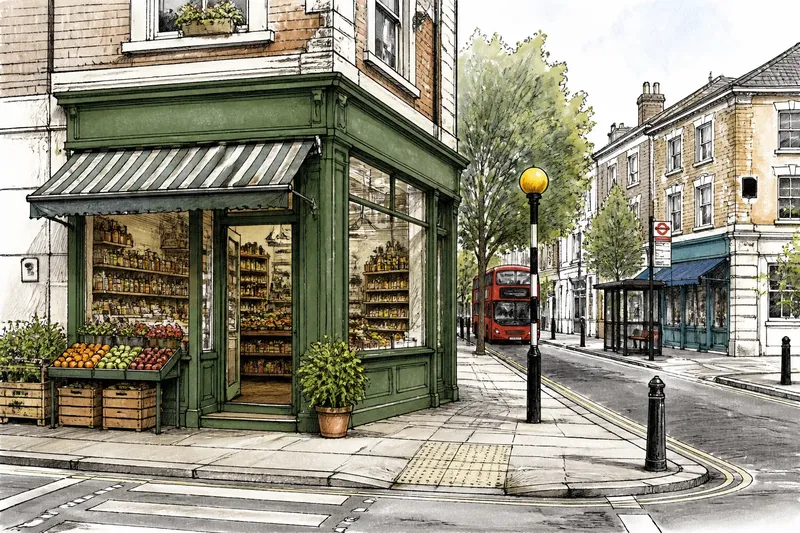
Look, too, at what surrounds the wall. A painted scene may sit beside a community hall, a row of shops, a housing block or a blank service building. Those neighbours do not automatically provide a single interpretation, but they do give the work a local setting. A familiar shopfront may make an image feel rooted; a newly cleared site may make the same image feel like a statement about change.
Pay attention to the route. Is the mural part of a daily walk, visible from a place where people wait, or encountered mainly by visitors looking for it? A work that is easy to photograph may still be peripheral to ordinary neighbourhood life. Visibility is not the same as belonging.
When the site is hard to place, describe what you can actually see before assigning meaning.
Who is visible in the image, and who is not?
Figures, clothing, languages, trades, plants and architectural details all make choices about what counts as local. A mural showing children at play may suggest care and continuity. If it includes no older residents, tenants, workers or people with disabilities, that absence is also part of the picture—not proof of anyone’s intention, but a reason to avoid calling the image comprehensive.
Some murals use symbols rather than recognisable residents: a river, a bird, a bridge or a pattern drawn from local materials. These can leave room for different readings. They can also avoid naming difficult disputes. Neither approach is automatically better. Ask what the image makes easy to notice and what it leaves outside its frame.
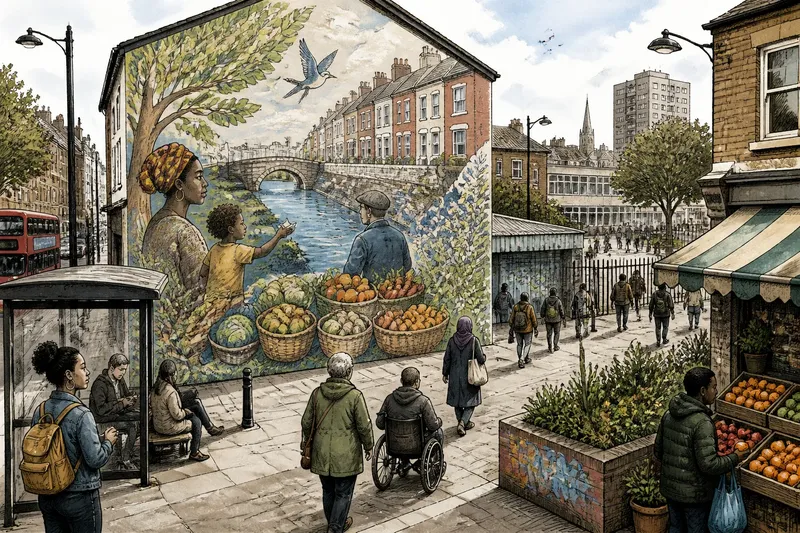
Imagine a mural beside a market showing baskets of fruit, a river and a line of row houses. A visitor might read it as a cheerful portrait of local tradition. A resident who has watched the market change may see a claim about which version of the neighbourhood deserves to endure. The image has not changed; the knowledge brought to it has.
Which situation are you in?
Use the mural according to the question you have, rather than asking it to settle every question about the district.
- You are passing through: Read the work as a clue, not a guidebook. Notice its subject, placement and relation to nearby buildings, then leave room for what you cannot know from the pavement.
- You live nearby: Your familiarity gives you useful context, but not a monopoly on local meaning. Compare your reading with what you know of the street’s uses, and distinguish personal recognition from a claim about all residents.
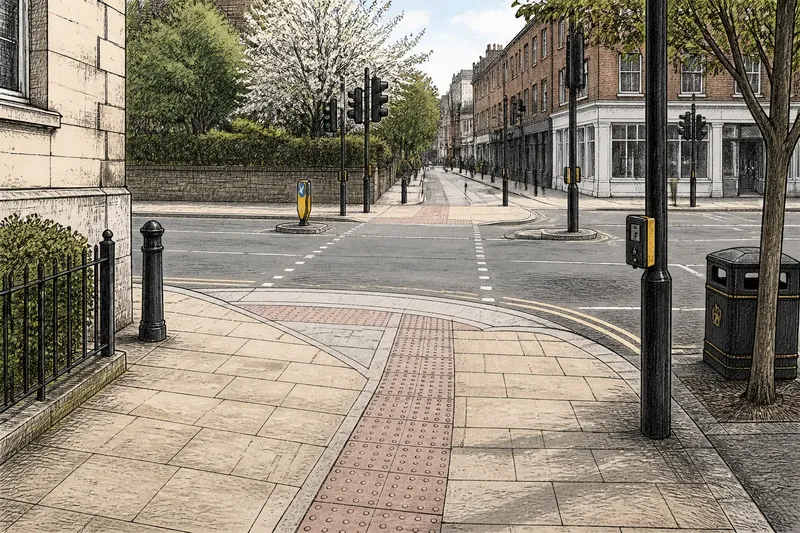
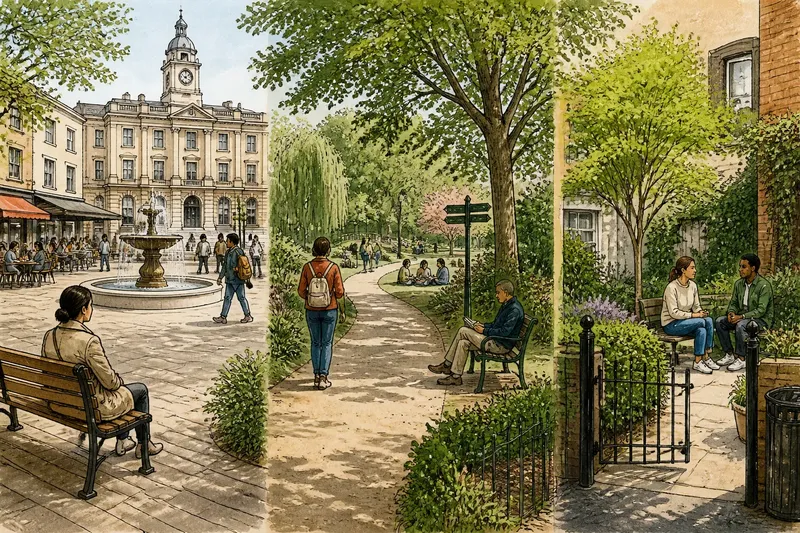
- You are organising a walk or local event: Present the mural alongside other features of the route, such as a library noticeboard, a community garden or a busy crossing. This prevents one commissioned image from carrying the whole account.
- You are discussing neighbourhood change: Treat the mural as evidence of a public choice: someone selected a wall, a subject and a way of presenting the area. It cannot by itself establish who supported that choice or how residents feel about it.
The right fit is the one that lets the mural contribute without making it speak for people who are not represented.
How can you tell whose perspective shaped it?
Where information is available, look for the artist’s name, commissioning body, project description or account of how the work was developed. A mural created through a local workshop differs from one commissioned by a landlord or city department, even if both use familiar neighbourhood imagery. The process can tell you who had an opportunity to shape the subject, though it does not reveal every view in the area.
Notice the difference between participation and representation. A few people may have helped paint a wall without deciding its message; a consultation may have gathered views without giving participants control over the final image. Credit and process notes are useful clues, not a certificate that the whole neighbourhood agrees.
If no account is displayed, do not fill the gap with a confident story. You can still describe the image and its location, and say that the decision-making process is not apparent from the work itself. That is more informative than guessing who commissioned it.
When a mural is introduced in a public walk, name what is known and leave the rest open.
What do people ask about neighbourhood murals?
Can one mural represent an entire neighbourhood?
It can offer one interpretation, but no single image can show the full range of people, histories and disagreements in a district. Treat claims of broad representation as claims to examine, not as facts the picture proves.
Does a locally painted mural always reflect local views?
Not necessarily. Local participation can mean many things, from painting a section to choosing the subject, and the finished work may still reflect a narrow group of views.
What should I look for when reading public art?
Notice the site, the intended audience, the visible subjects and the people or activities left out. Then separate what the work shows from what you infer about its makers or neighbours.
Why can the same mural mean different things to different residents?
People encounter it with different memories, routines and expectations about the area. The image may prompt those differences without resolving them.
How should you describe the mural to someone else?
Use language that separates observation from interpretation. “The wall shows a row of houses, a river and several market baskets” is an observation. “The mural celebrates the district’s working past” is an interpretation, and should be presented as one. If a project statement gives that reading, attribute it to the stated source rather than treating it as the image’s only meaning.
Be equally precise about scale. “A mural on the market wall” is a location. “The neighbourhood’s defining mural” is a judgement that may erase smaller works, informal signs and residents’ own accounts. If you cannot explain who defines it, choose the more modest description.
For a local walk, a useful account might pair the mural with a question: what everyday place or activity nearby is absent from the painted scene? The question invites attention to the surrounding street without turning the artwork into a quiz with one correct answer.
When is the mural a useful starting point?
A mural is useful when it opens a conversation about public space, authorship or changing ideas of local identity. It is less useful when asked to settle who belongs, what the district is “really” like or whether change has been welcomed. Those questions need more than a wall can provide.
If you are trying to understand a neighbourhood, move from the artwork to the places and routines around it: where people gather, what languages appear on shop signs, which buildings are open to the public and what changes are visible along the route. These details do not combine into a perfect portrait either. They do, however, widen the account beyond the single image easiest to photograph.
A neighbourhood mural gains meaning from its setting, its makers and the people who meet it. Read it closely, describe its limits plainly, and let the district remain larger than its best-known wall.